Senators have called for a shift towards more inclusive gender policies, raising concerns that current programmes disproportionately focus on women and girls while overlooking the challenges facing men and boys.
The issue emerged prominently during a consultative forum between the Senate Committee on Labour and Social Welfare and the Ministry of Gender Culture and Children’s Services, where lawmakers and government officials examined the state of gender, child protection and cultural programmes.
Principal Secretary for Gender and Affirmative Action Anne Wangombe acknowledged growing concern over what many perceive as the neglect of the “boy child” in policy frameworks.
“We cannot make much progress if we do not involve men in our initiatives,” Wangombe said, noting that gender interventions must evolve to reflect changing societal dynamics.
Senators argued that failure to adequately include men and boys in gender programming has contributed to emerging social challenges, including substance abuse, social alienation and, in some instances, increased cases of gender-based violence (GBV).
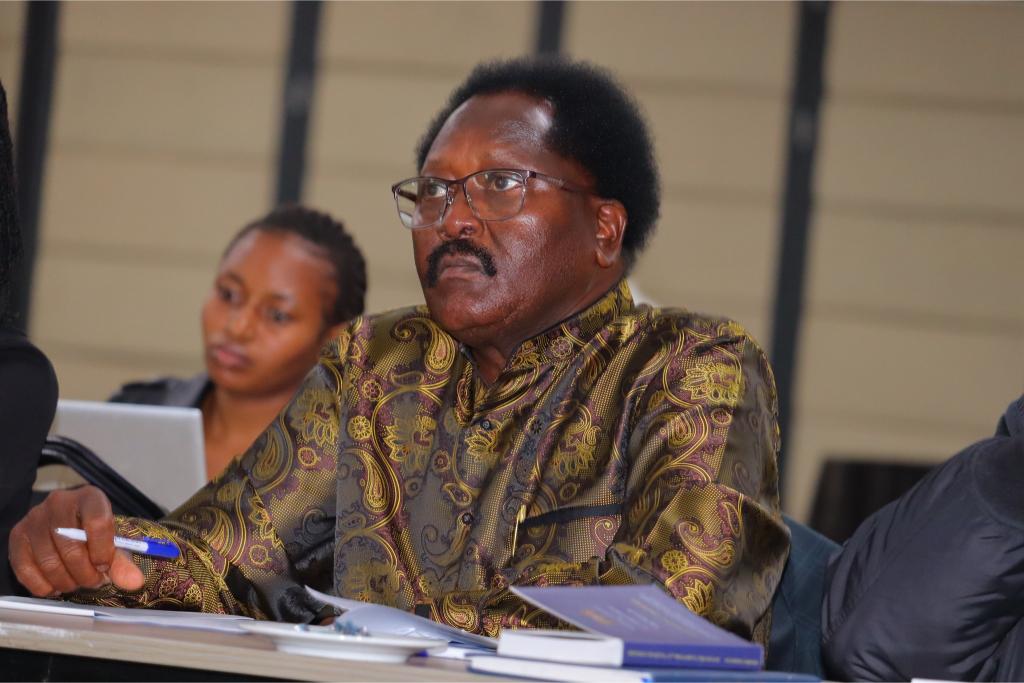
Alexander Mundigi said that while efforts to empower women and girls remain critical, a more balanced approach is necessary to achieve long-term social stability.
The discussions formed part of a broader review of the ministry’s 2026 Budget Policy Statement, which also revealed significant funding gaps affecting key programmes. However, lawmakers emphasised that policy design — not just financing — must be re-examined to ensure inclusivity.
Cabinet Secretary Hanna Cheptumo told the committee that the ministry is grappling with rising demand across sectors, including child protection, GBV response and family planning, even as resources remain constrained.
She warned that without more comprehensive and inclusive strategies, vulnerable groups across the gender spectrum risk being left behind.
The debate also intersected with broader concerns about shifting social norms and pressures, with senators cautioning that evolving family and community structures require adaptive policy responses.
Committee vice-chair Crystal Asige stressed that inclusivity should not come at the expense of gains made in advancing women’s rights, but rather complement them.
“We must ensure that no one is left behind, while safeguarding the progress already achieved,” she said.
Beyond gender policy, lawmakers linked inclusivity to wider social cohesion, warning that imbalanced approaches could deepen divisions and undermine national development goals.
They called for integrated programming that connects gender, culture and social protection, supported by stronger coordination between national and county governments.
Officials said ongoing reforms, including anticipated legislation and implementation of recommendations from a task force on GBV and femicide, are expected to guide future interventions.
However, senators maintained that meaningful change will depend on how effectively policies are translated into action at the community level.
The discussions underscored a growing consensus within the Senate that gender equality efforts must expand beyond traditional frameworks, with a deliberate focus on engaging men and boys as partners in social transformation.
As debates on funding and policy direction continue, lawmakers said that inclusivity will remain central to shaping Kenya’s gender agenda in the coming years.